

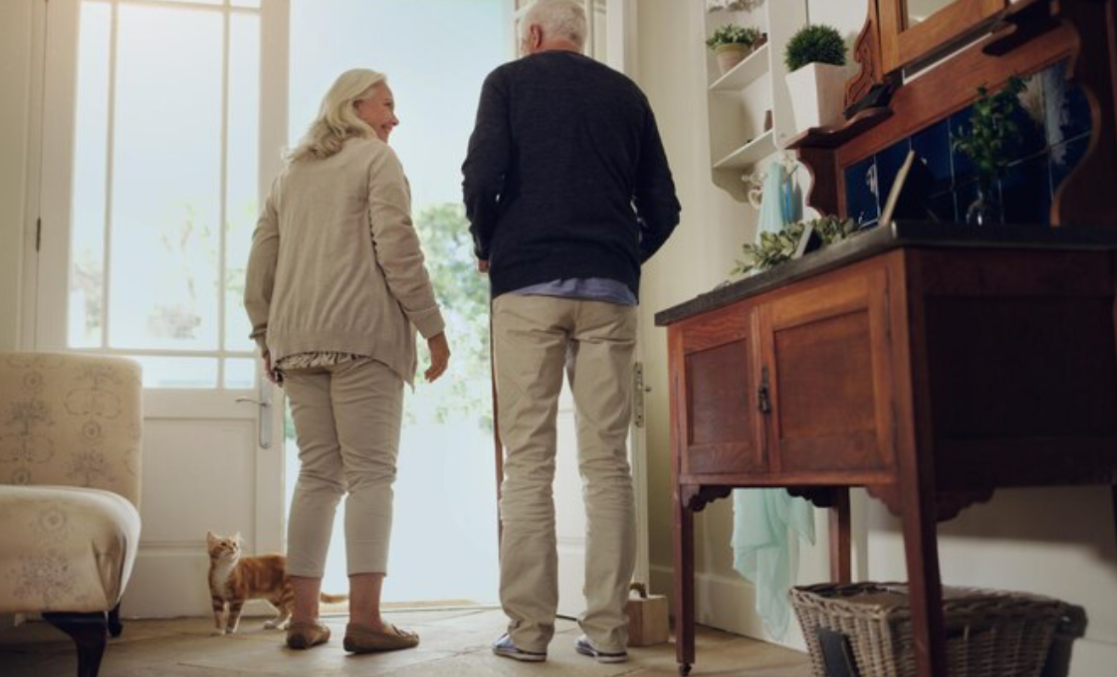
Getting older shouldn’t mean feeling unsafe at home.
As our loved ones age, things that once seemed harmless—a small rug, a dim hallway, a low chair—can suddenly become real hazards. The truth is, many of us don’t notice these dangers until after something goes wrong. But with just a few thoughtful changes, we can make sure that seniors stay safe, confident, and independent in their own homes.
Here are 10 safety mistakes we often overlook—and some simple steps you can take to prevent accidents before they happen.
1. Tripping Hazards Hiding in Plain Sight
Loose rugs, trailing cords, and cluttered walkways might not catch your eye, but they’re a major cause of falls. For older adults, one small misstep can lead to serious injury.
Try this instead:
• Remove throw rugs or secure them with non-slip backing.
• Clear hallways, especially in busy areas like the kitchen.
• Tuck cords away or tape them along the wall to keep floors clear.
2. The Bathroom: Small Space, Big Risk
The bathroom is one of the most dangerous rooms for seniors—wet floors, slippery tiles, and a lack of support can make everyday tasks risky.
Simple fixes that make a big difference:
• Add grab bars near the toilet and in the shower.
• Place non-slip mats inside and outside the tub.
• Consider a sturdy shower chair for extra support.
3. Dim Lighting and Shadowy Corners
A poorly lit hallway or staircase can turn a safe home into a dangerous one—especially at night.
What you can do:
• Replace old bulbs with brighter, energy-efficient LEDs.
• Use motion-sensor night lights in bedrooms, bathrooms, and hallways.
• Ensure staircases have lighting at both the top and bottom.
4. Stairs Without Enough Support
Going up or down the stairs can be difficult for seniors, especially if the steps are uneven or there’s nothing to hold on to.
Better options:
• Install sturdy handrails on both sides of the stairs.
• Add bright tape to step edges for better visibility.
• If needed, move the bedroom downstairs or look into a stairlift.
5. Medication Confusion
With multiple prescriptions and changing doses, it’s easy to lose track. Unfortunately, missed pills—or taking the wrong ones—can have serious consequences.
Ways to keep medications organized:
• Use a labeled pill organizer for each day of the week.
• Set daily alarms or try a medication reminder app.
• Review medications regularly with a pharmacist or doctor.
6. No Emergency Plan in Place
Whether it’s a power outage, a fall, or a health issue, not having a plan can leave seniors vulnerable.
Be proactive:
• Post emergency numbers somewhere visible and easy to read.
• Consider a wearable alert button or medical response system.
• Test smoke and carbon monoxide detectors twice a year.
7. Unstable Furniture
Chairs that wobble or sofas that are too low can make sitting or standing difficult—and even dangerous.
What helps:
• Choose chairs with firm seats and armrests.
• Avoid furniture with wheels, unless it’s designed for senior use.
• Secure bookshelves and cabinets to prevent tipping.
8. Poor Home Security and Scams
Older adults can be easy targets for both burglars and phone scammers.
Safety tips:
• Keep doors and windows locked at all times.
• Add a peephole or door camera to check who’s there.
• Remind loved ones not to share personal info with strangers—especially over the phone.
9. Wearing the Wrong Shoes
Shoes that are too loose, too tight, or lack proper support can easily lead to slips, trips, and loss of balance. Many seniors wear old or worn-out footwear without realizing the risk.
What to look for:
• Choose shoes with non-slip soles and a secure fit.
• Avoid backless slippers or sandals that can catch on surfaces.
• Replace worn shoes regularly, even if they still feel “comfortable.”10:36 AM
10. Ignoring Small Warning Signs
Minor aches, forgetfulness, or small household mishaps might seem harmless at first—but they can be early signs that someone needs more support.
How to stay ahead:
• Pay attention to changes in mobility, mood, or memory.
• Don’t wait for a big accident—schedule regular check-ins and home safety reviews.
• Talk openly with your loved one about their comfort, concerns, and needs.