

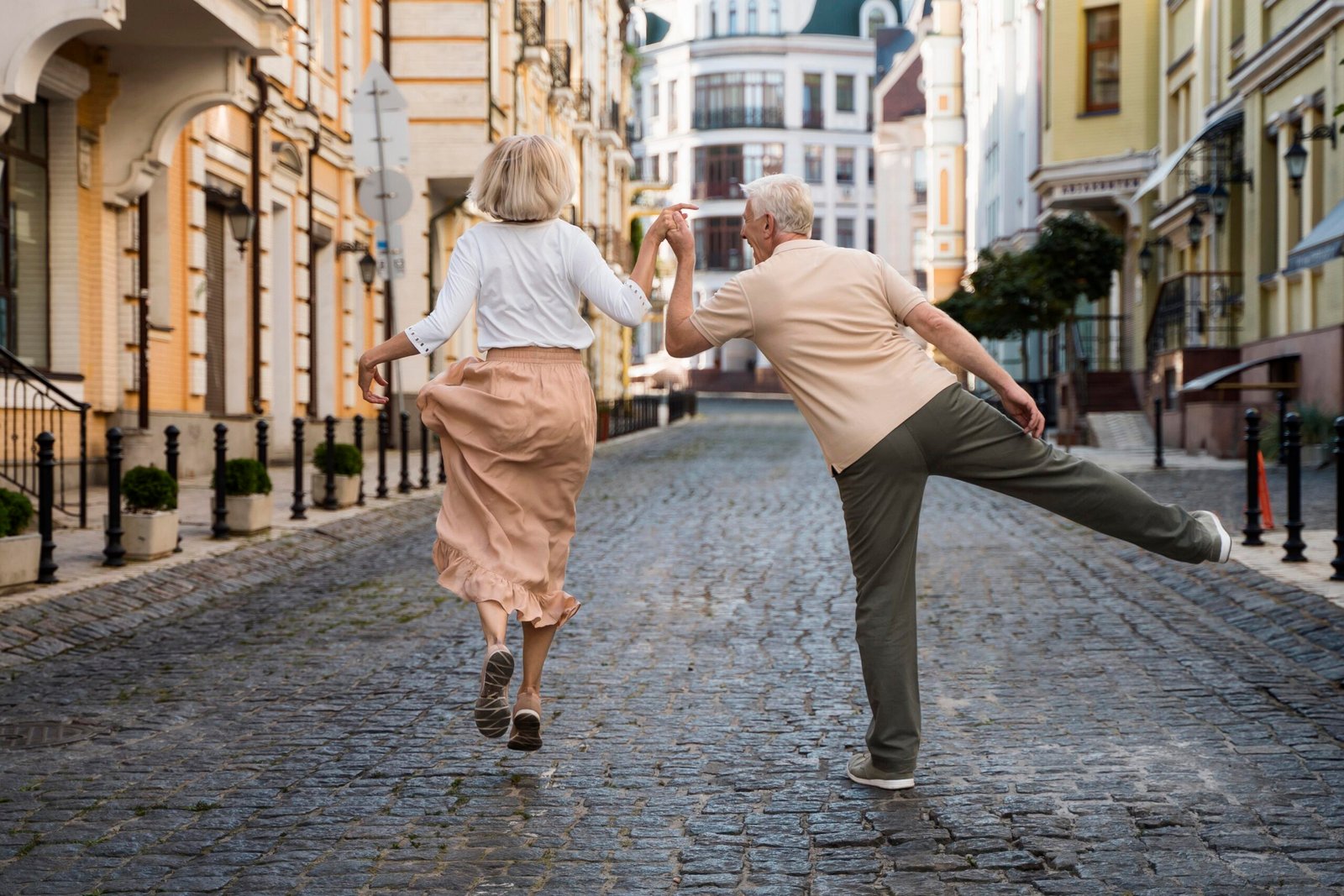
Living in big cities can be challenging for older adults. Unsafe sidewalks, a lack of green spaces, and limited access to daily services can take a toll on their physical, mental, and social well-being. When seniors struggle to reach a grocery store, pharmacy, or medical center, they often have to rely on others for even small tasks, which can reduce their sense of independence. On top of that, the absence of safe walkways and spaces for physical activity and social interaction can lead to loneliness, low motivation, and physical decline.
But when cities are designed with older adults in mind, life becomes not only easier but also happier, more active, and higher in quality. An age-friendly city is a place where seniors can move around freely, socialize, and enjoy their surroundings without stress or worry.
Safe Walkways and Green Spaces
Safe, smooth, and well-lit sidewalks are essential for seniors. Even a short 15–20 minute daily walk can:
- Keep the body active
- Boost confidence and independence
- Improve mood and daily energy
Urban green spaces like parks and gardens also play a key role. They provide opportunities for social interaction and light exercise. Many Canadian cities have created green areas specifically for older adults, offering group activities, workshops, and cultural programs. These spaces not only support mental health but also help maintain physical well-being.
Easy Access to Daily Services and Senior-Friendly Hours
Access to grocery stores, pharmacies, medical centers, and convenient public transit allows seniors to maintain independence and rely less on others.
One innovative idea in some cities is dedicating certain hours of the day for older adults in stores and service centers. During these hours:
- The environment is calmer and less crowded
- Lighting and music are adjusted for a relaxing atmosphere
- Staff are trained and ready to assist
The benefits include reduced stress, more comfortable shopping, better focus, and a stronger sense of respect and social belonging. Some stores even host short health programs or workshops during these hours, creating opportunities for social interaction and combating loneliness.
Lighting, Safety, and Peace of Mind
Adequate nighttime lighting, well-lit paths, benches, and rest areas help seniors feel safe and relaxed. When older adults feel secure, they are more likely to go outdoors, walk, and participate in social activities, which enhances both physical and mental health.
Involving Seniors in Urban Planning
Inviting seniors to participate in urban planning and decision-making ensures that their real needs are considered and makes cities more practical and human-centered. This involvement:
- Strengthens feelings of belonging and value
- Encourages activity and independence
- Helps create environments that work well for all ages
Age-Friendly Cities: The Key to Better Living
An age-friendly city includes:
- Safe, accessible sidewalks
- Green and social spaces for activities and interaction
- Easy access to daily services
- Proper lighting and overall safety
- Designated hours for seniors in stores and services
- Active participation of seniors in urban planning
Paying attention to these details allows older adults to live with more independence, better mental health, and higher daily energy. A city designed this way not only meets the challenges of aging but also provides opportunities for social interaction, exercise, relaxation, and daily vitality.