

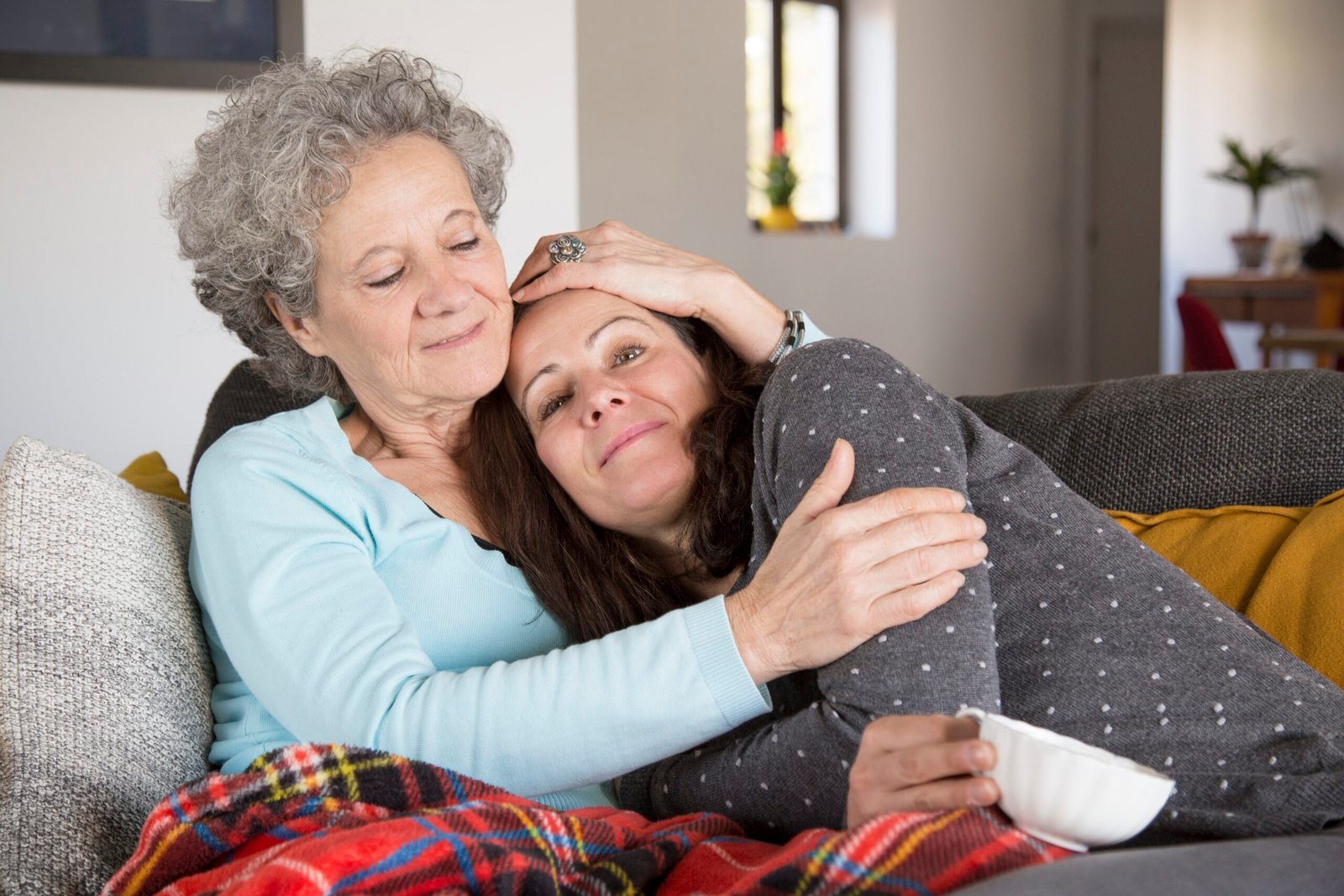
When people talk about caregiving, they often picture the visible tasks; preparing meals, driving to appointments, organizing medications, or helping with mobility. But anyone who has ever cared for an aging parent or spouse knows that the real weight of caregiving isn’t always what shows up on the surface. It’s the constant thinking, worrying, planning, and decision-making that fills every hour of the day. It’s the invisible load family caregivers carry quietly, often without recognition.
Across Canada, millions of families are caring for older adults at home. And while this support keeps seniors safe, connected, and independent, the emotional and mental strain on caregivers can be enormous. Understanding this hidden burden is the first step to supporting those who give so much of themselves; often without ever asking for anything in return.
The Mental Load: The Part Nobody Talks About
Family caregivers rarely clock out. Even when they’re not physically helping someone, their minds stay busy with questions like:
Did Mom take her medication?
What if Dad falls when no one is home?
Is this memory lapse normal or something I should worry about?
How can I balance work, my own kids, and caregiving at the same time?
This constant mental background noise can make caregivers feel like they are always “on,” even late at night or during work hours. It’s emotionally draining in a way that’s hard to explain to anyone who hasn’t lived it.
The Emotional Weight of Loving Someone Who Needs You
Caregiving is an act of love, but love doesn’t make it easy.
There’s the worry that comes with every small change in health. The guilt when caregivers feel tired but keep going anyway. The sadness of watching someone lose a bit of their independence. And sometimes, the loneliness of feeling like no one truly understands what you’re carrying.
Many caregivers describe it as being pulled in two directions; wanting to be strong for the person they care for, while also trying to protect their own well-being.
The Impact on Daily Life and Identity
Caregiving can reshape a person’s entire routine, relationships, and sense of self.
People may find themselves turning down social invitations, adjusting work schedules, and putting personal goals on hold. Even small daily tasks; exercising, relaxing, or having a quiet cup of coffee; can feel out of reach.
Over time, this can change how caregivers see themselves. They become planners, advocates, nurses, drivers, emotional supporters, problem-solvers… everything all at once.
And because most of these roles happen behind the scenes, others might not realize how much they’re doing.
Why the Invisible Load Matters for Seniors, Too
Supporting caregivers isn’t just about making their lives easier.
It’s also about ensuring that older adults receive better, more compassionate care.
When caregivers feel overwhelmed, burned out, or isolated, the senior they support is affected too. A strong, supported caregiver can provide better emotional connection, better decision-making, and better long-term care.
In other words: caregiver well-being is senior well-being.
How We Can Make the Invisible Load Visible
Small changes can make a big difference in a caregiver’s life:
1. Recognizing Their Efforts
A simple “How are you doing?” goes a long way.
2. Offering Real Help
Even short breaks; an afternoon off, help with errands, or support with appointments; can ease stress.
3. Encouraging Use of Support Services
Professional caregivers, respite care, adult day programs, online platforms, and home-care services can reduce the workload dramatically.
4. Building a Community Around the Caregiver
Caregivers shouldn’t have to do it alone. Friends, neighbours, and relatives can all share small pieces of the responsibility.
Caregivers Deserve Care, Too
Family caregivers hold families together. They give seniors dignity, comfort, and a sense of safety. But they also carry a hidden emotional weight that often goes unnoticed.
By understanding the invisible load; the mental strain, the emotional pressure, the constant responsibility ; we can build a culture that supports caregivers with compassion, practical help, and respect.
Caring for a loved one is one of the most meaningful roles a person can have. But even the strongest caregivers need someone to care for them, too.